
Kitanomaru of Edo Castle
The Kitanomaru area of Edo Castle was once home to the residences of the Tayasu family and the Shimizu family, two of the Tokugawa gosankyō (three branch families of the Tokugawa clan). After World War II, the area was developed as a forest park, and in April 1969 it was opened to the public as Kitanomaru Park. Today, it is well known for the Nippon Budokan and the cherry blossoms of Chidorigafuchi.
When you walk through the park, you will find few buildings or ruins dating back to the Edo period. However, the moats surrounding the park are original parts of Edo Castle, and stone walls still remain. Tayasu-mon Gate and Shimizu-mon Gate have also survived, and around these gates you can still feel the atmosphere of the Edo period.
Tayasu-mon Gate
Inside Tayasu-mon Gate once stood the residence of the Tayasu family. The Tayasu family, one of the gosankyō, is said to have begun here when Munetake (1715–1771), the second son of the eighth shogun Tokugawa Yoshimune (1684–1751), was granted a residence inside this gate in 1731. The gosankyō had the right to provide an adopted heir to the shogun’s family if there was no successor, and their status ranked just below the three main Tokugawa houses (Owari, Kii, and Mito).
During the Great Kanto Earthquake, the inner gate was damaged and was apparently not rebuilt at that time, leaving only the outer gate. Later, the gate was also damaged during World War II, and after the war only the lower two or three tiers of the stone walls of the square enclosure remained. For this reason, some of the stones with carved marks that can be seen inside the square enclosure may have been brought in from elsewhere during repairs. Today, the inner gate has been restored.
Tayasu-mon Gate is now located within Kitanomaru Park. If you are going to the Nippon Budokan, it is convenient to get off at Kudanshita Station and pass through this gate. Many people may think of it simply as an entrance to the park. The cherry blossoms in front of the gate and at Chidorigafuchi are well known in spring, but in summer lotus flowers bloom at Ushigafuchi, and in autumn red spider lilies can also be seen blooming here and there near the gate and inside the park.
-
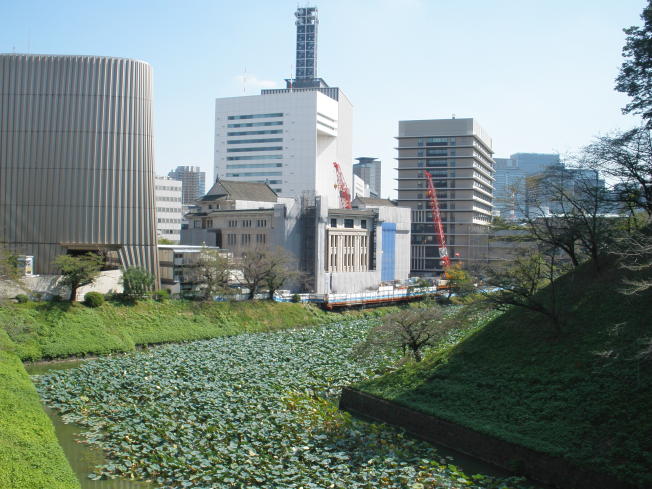
Ushigafuchi moat seen from the earthen bridge -
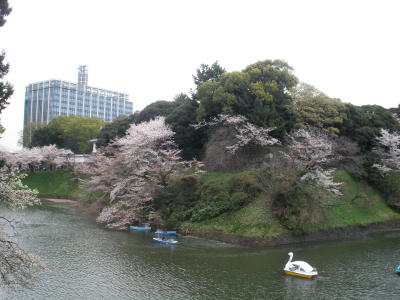
Earthen embankment and stone walls remaining at Chidorigafuchi -
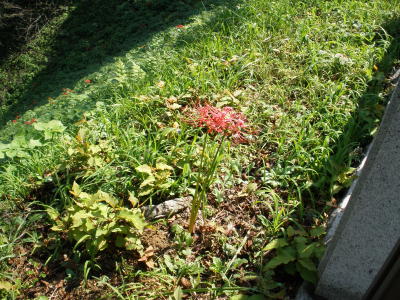
Red spider lilies blooming on the earthen embankment -
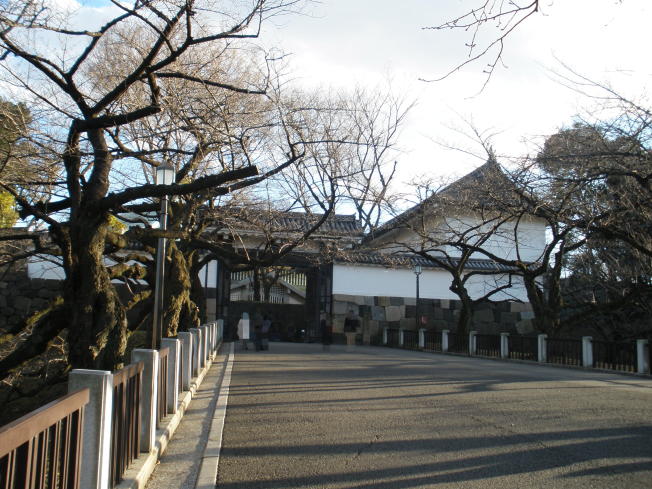
Tayasu-mon Gate seen from the earthen bridge -
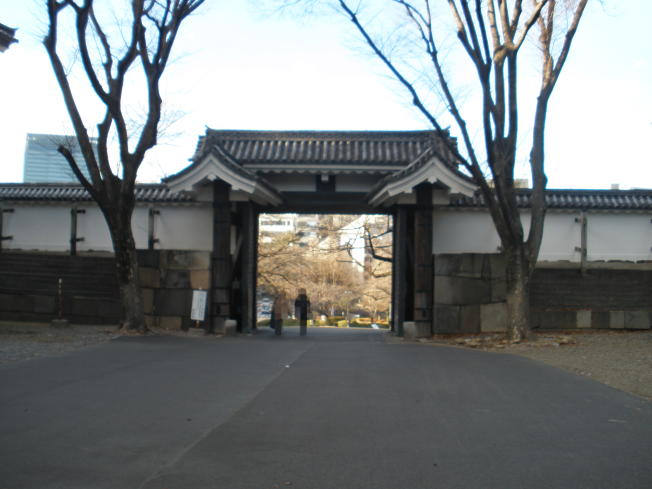
The outer gate seen from inside the square enclosure -
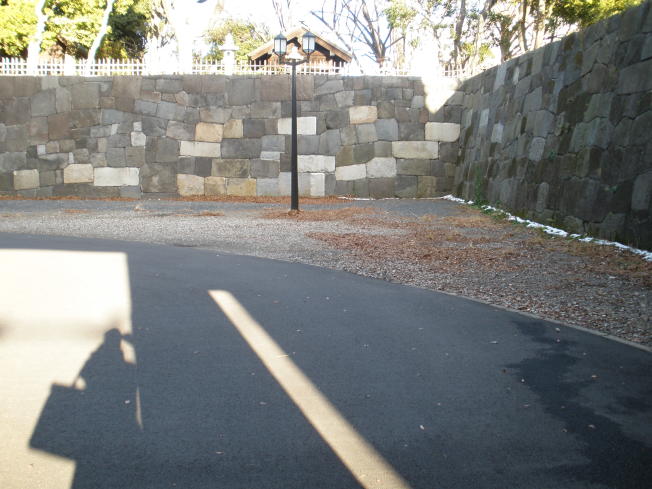
Inside the square enclosure of Tayasu-mon Gate -
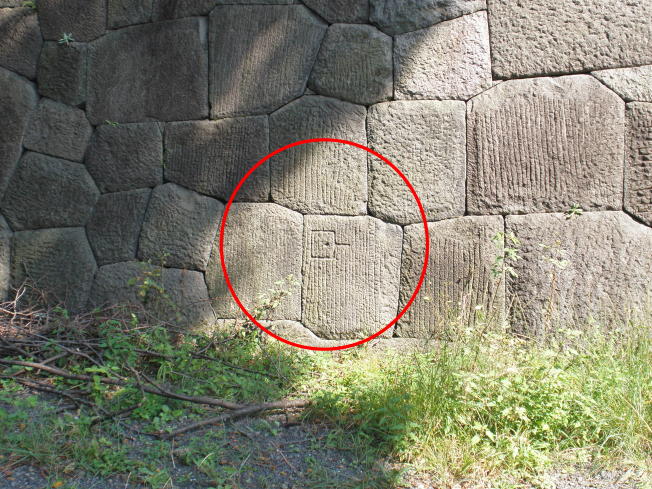
Stone marks carved into the stone walls inside the enclosure -
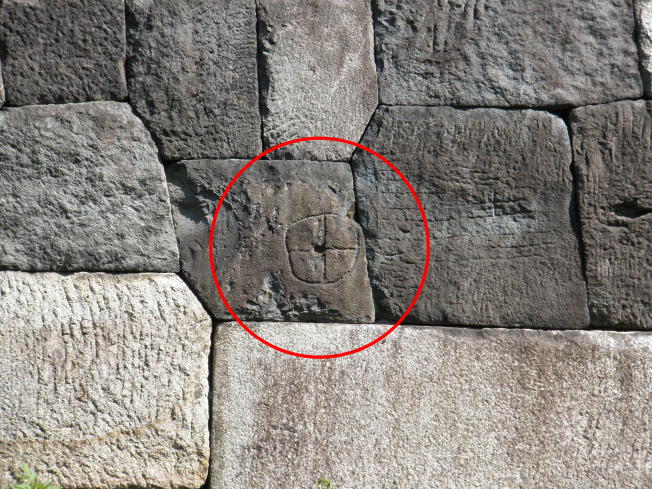
Stone marks carved into the stone walls inside the enclosure (2) -
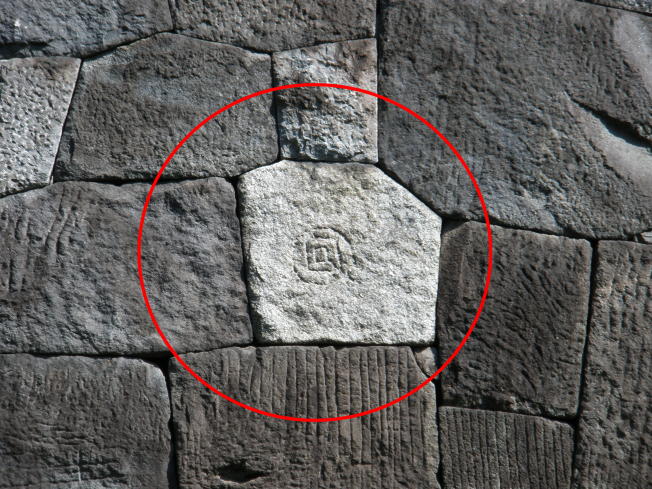
Stone marks carved into the stone walls inside the enclosure (3) -
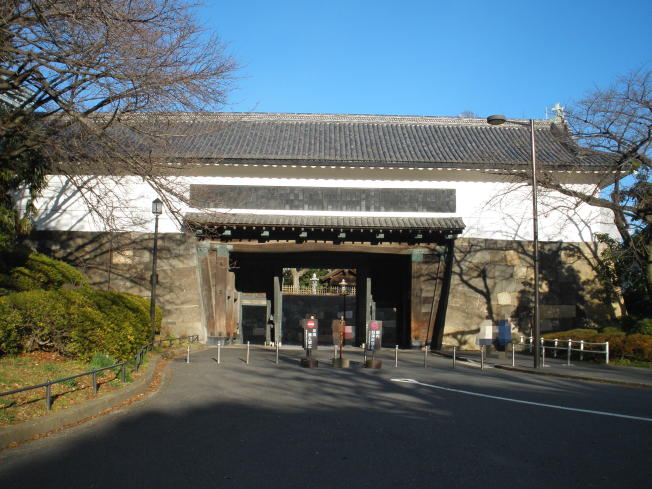
The inner gate seen from inside today’s Kitanomaru Park -
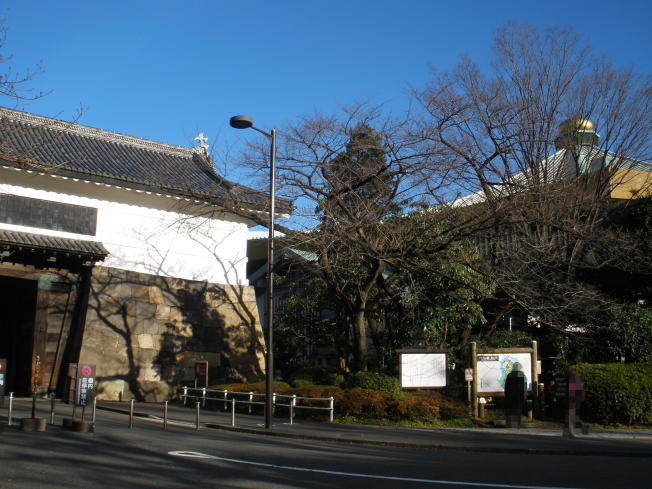
The inner gate and the Nippon Budokan
Shimizu-mon Gate
Inside Shimizu-mon Gate once stood the residence of the Shimizu family. The Shimizu family, one of the gosankyō, began here when Shigeyoshi (1745–1795), a grandson of the eighth shogun Tokugawa Yoshimune, the second son of the ninth shogun Tokugawa Ieshige (1711–1761), and the younger brother of the tenth shogun Tokugawa Ieharu (1737–1786), was granted a residence inside this gate in 1758.
In the early Showa period, there appears to have been no inner gate. It was likely damaged in the Great Kanto Earthquake and never rebuilt at that time. Today, the inner gate has been restored.
-
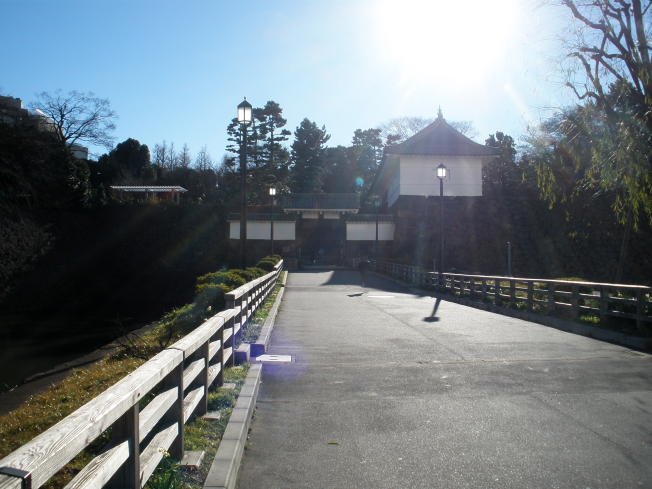
Shimizu-mon Gate and the earthen bridge -
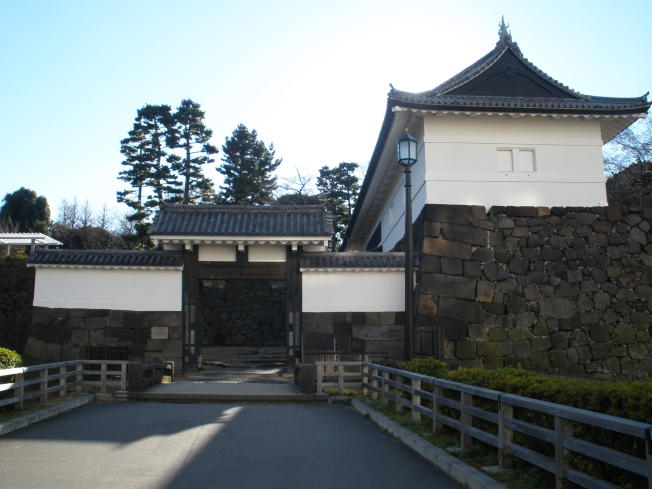
Shimizu-mon Gate -
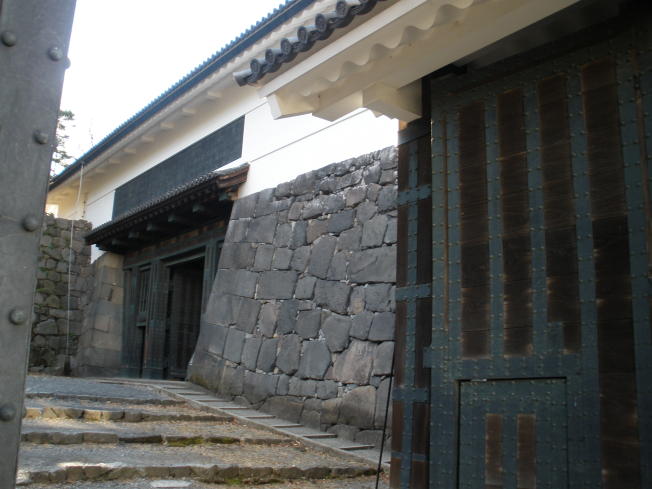
Inside the square enclosure and the inner gate -
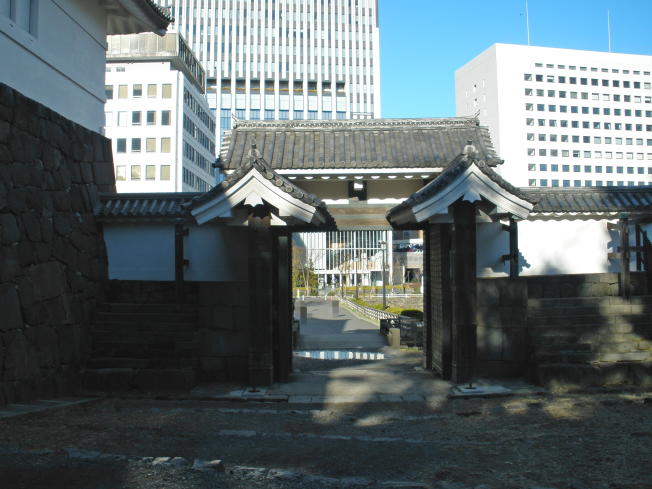
The outer gate seen from inside the square enclosure -
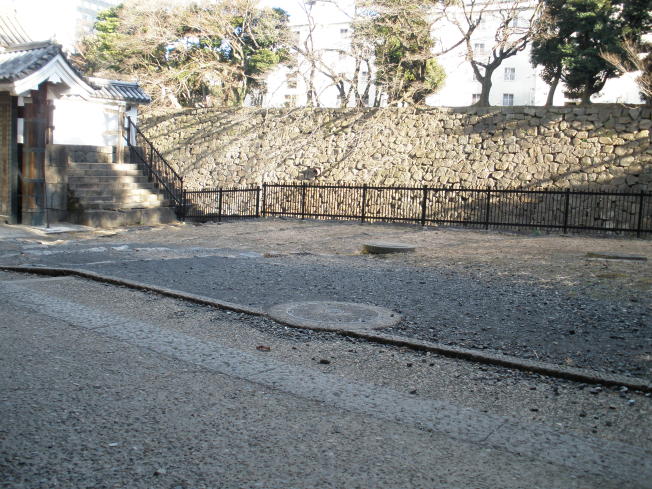
Inside the square enclosure (1) -
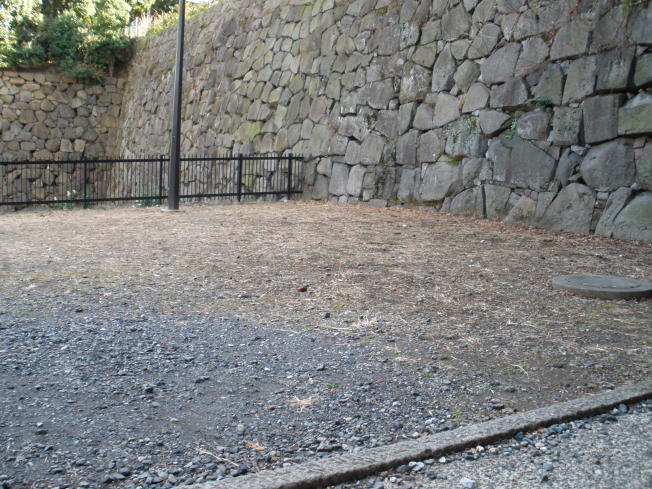
Inside the square enclosure (2) -
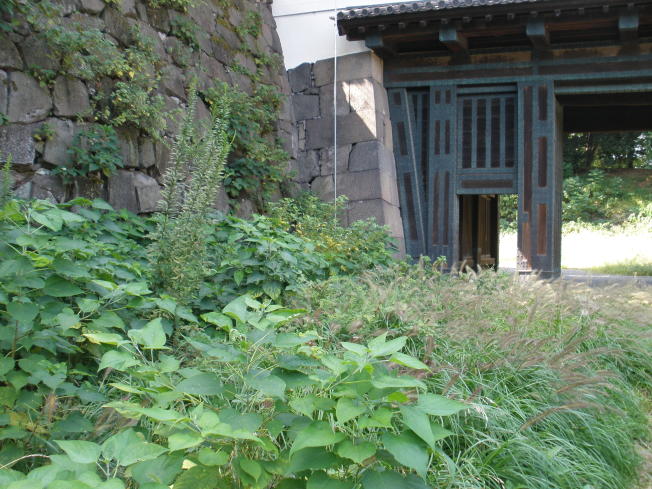
The enclosure covered with grass in autumn (1) -
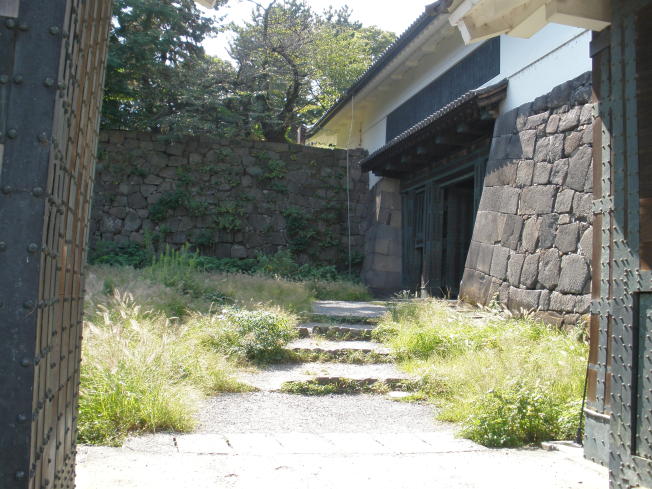
The enclosure covered with grass in autumn (2)
Stone Steps Beside Shimizu-mon Gate
-
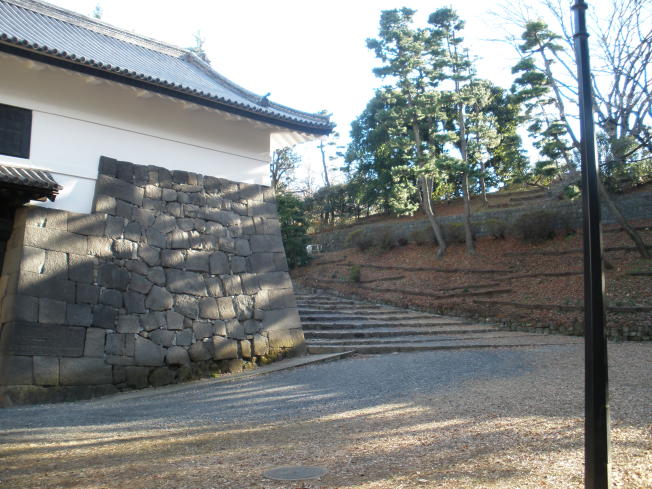
The inner gate and the stone steps -
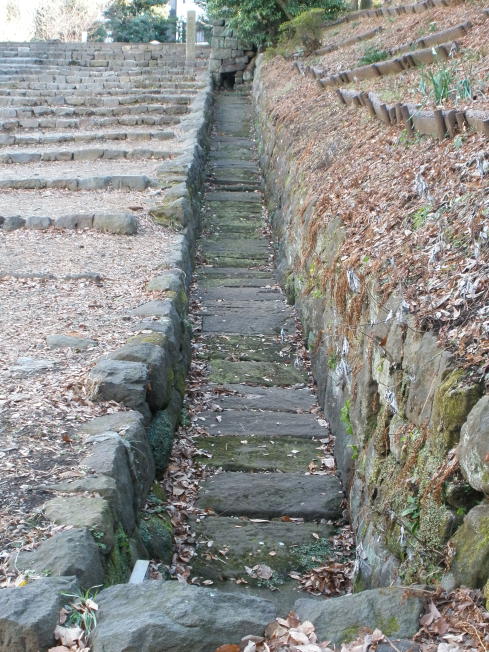
Drainage channel beside the stone steps -
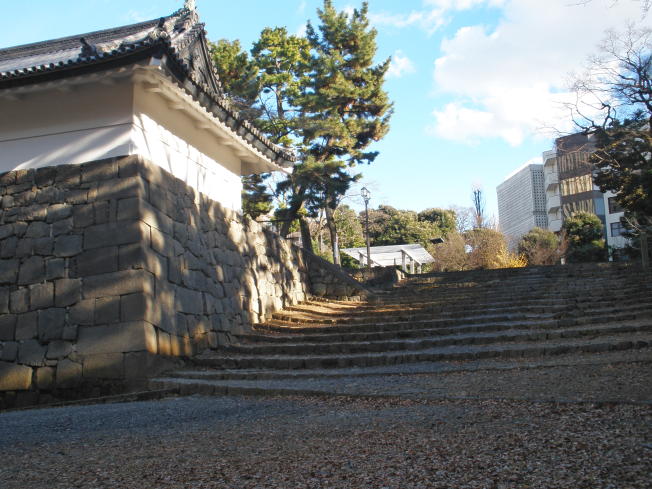
Looking up at the stone steps from below -
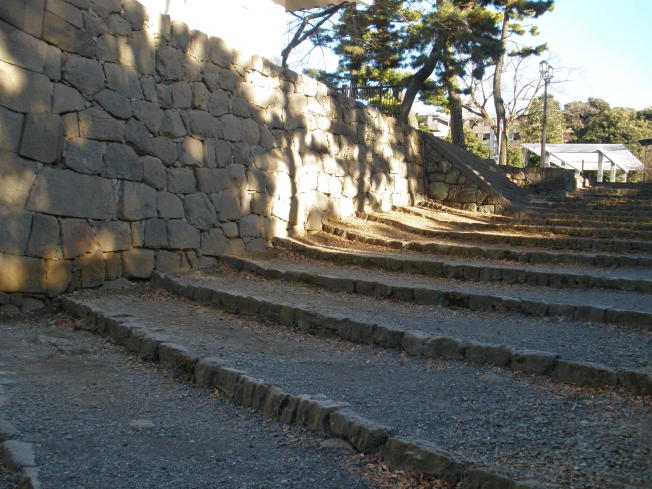
The stone steps and the stone walls of Shimizu-mon Gate -
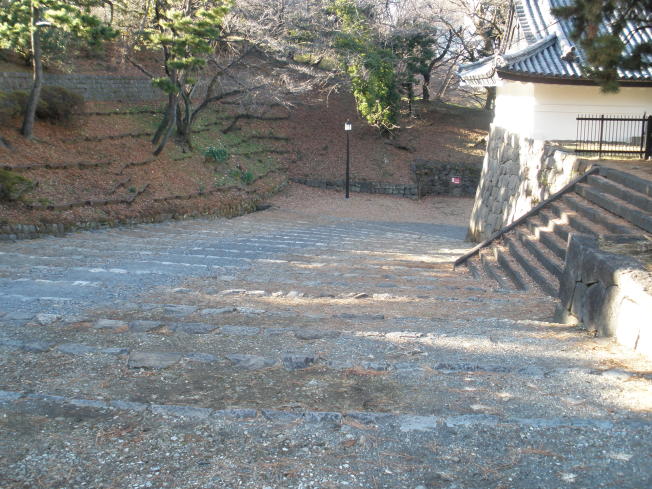
Looking down from the top of the stone steps (1) -
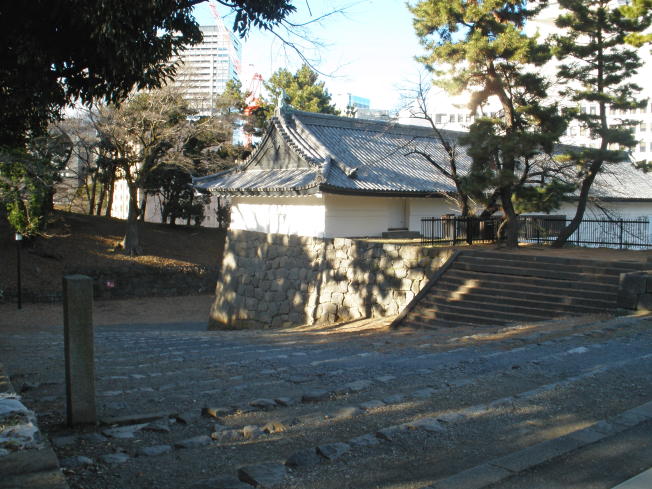
Looking down from the top of the stone steps (2) -
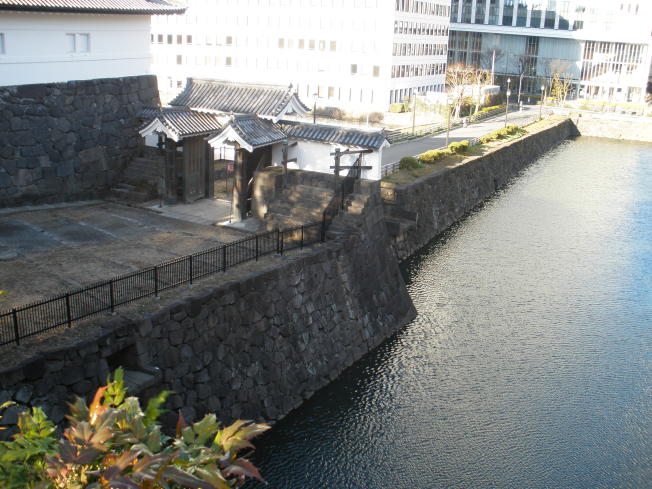
The outer gate seen from the top of the stone steps -
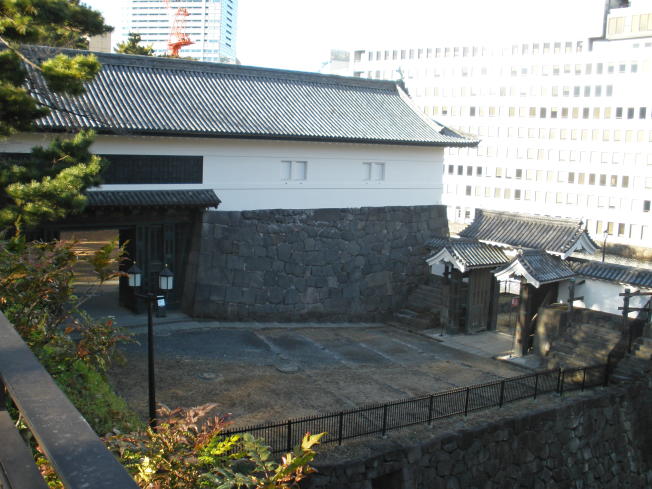
The inner gate seen from the top of the stone steps
Stone Marks on the Stone Walls of Shimizu-mon Gate
-
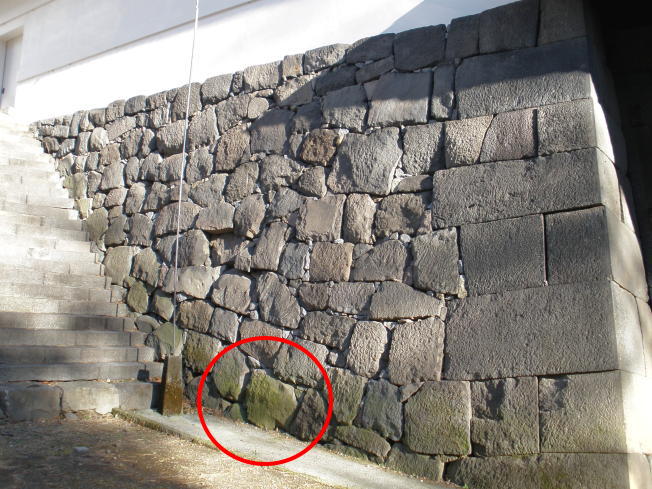
Stone mark on the side wall of the inner gate (1) -
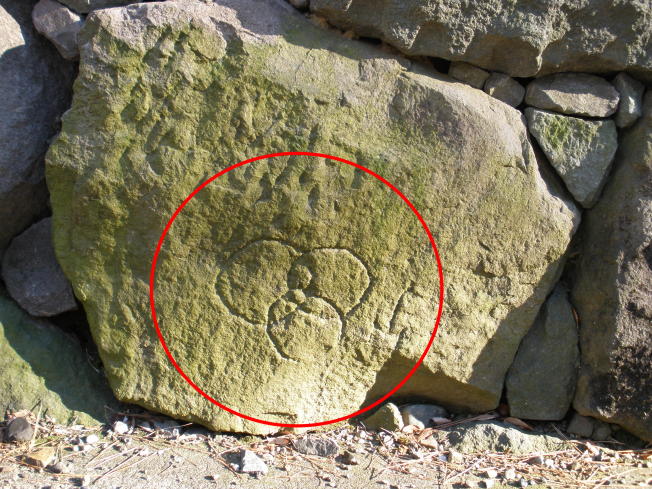
Stone mark on the side wall of the inner gate (2) -
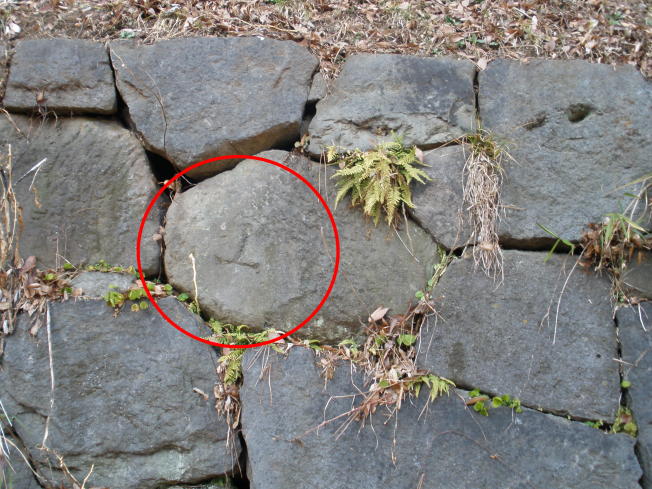
Stone mark near the inner gate (1) -
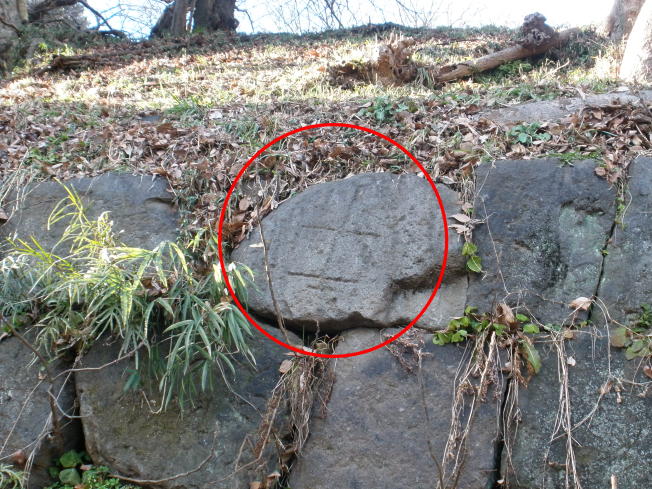
Stone mark near the inner gate (2) -
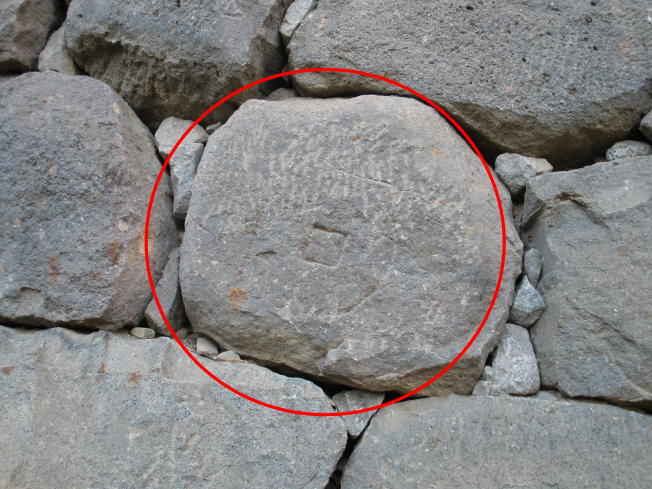
Stone mark on the stone wall of the inner gate seen from the steps (1) -
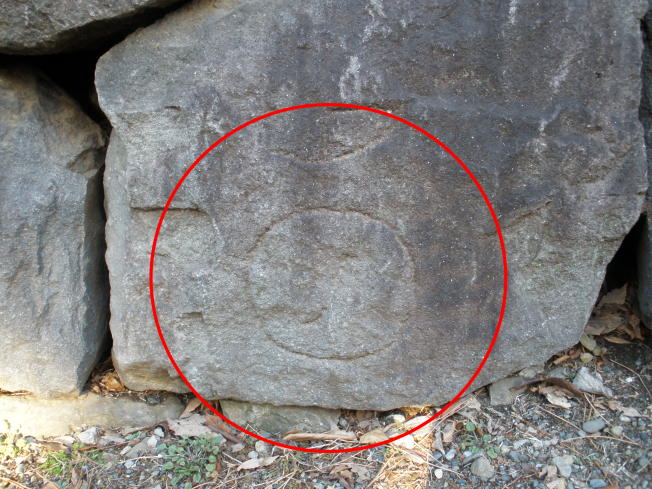
Stone mark on the stone wall of the inner gate seen from the steps (2)
Ushigafuchi Moat
-
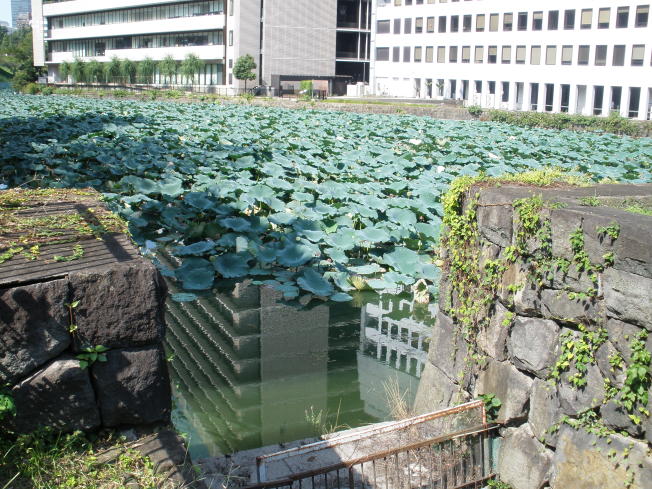
Ushigafuchi moat seen from the earthen bridge in front of Shimizu-mon Gate -
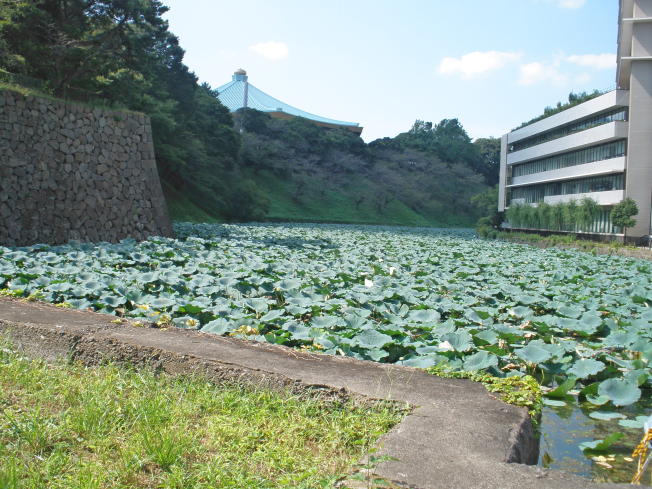
Ushigafuchi moat and the roof of the Nippon Budokan
Shimizu Moat
-
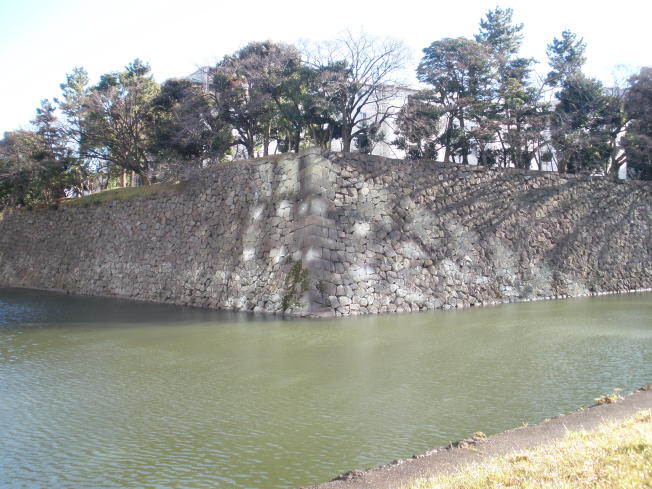
Shimizu Moat seen from the earthen bridge in front of Shimizu-mon Gate (1) -
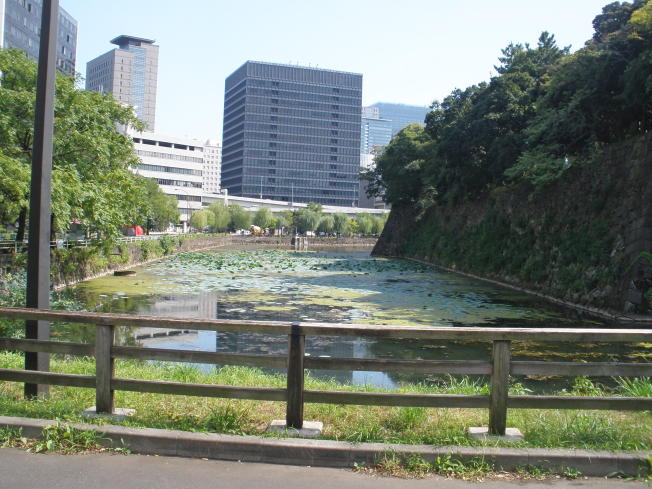
Shimizu Moat seen from the earthen bridge in front of Shimizu-mon Gate (2) -
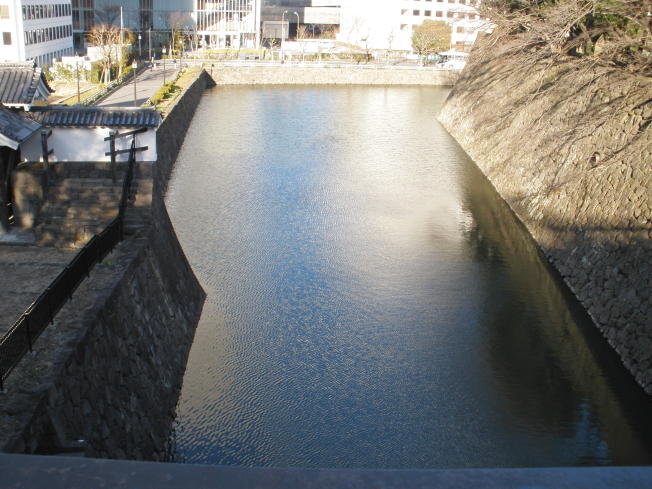
Shimizu Moat seen from the top of the stone steps -
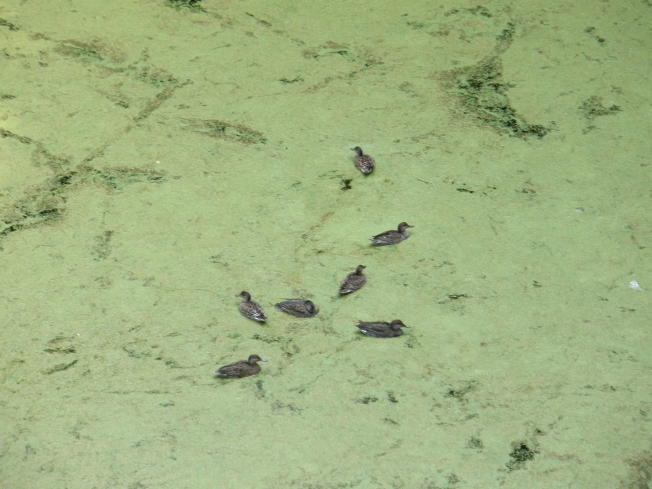
Waterfowl gathering on Shimizu Moat